
Catholic schools often argue that they are inclusive, and that they do their best to make all children feel included. They are correct. They do want to make all children feel included, but by this they mean included in the Catholic religion, faith, and ethos.
The issue is that we are not Catholic. We don’t want our children ‘included’ in the Catholic religion. Catholic education has a mission, and that mission is to evangelise. Catholic schools evangelise through their ethos.
Under Section 15 of the Education Act 1998 their ethos is protected by law. Under Section 37 of the Employment Equality Act, teachers are legally obliged to uphold that ethos. Under the Equal Status Act children can still be refused access if the school proves that they will undermine their ethos.
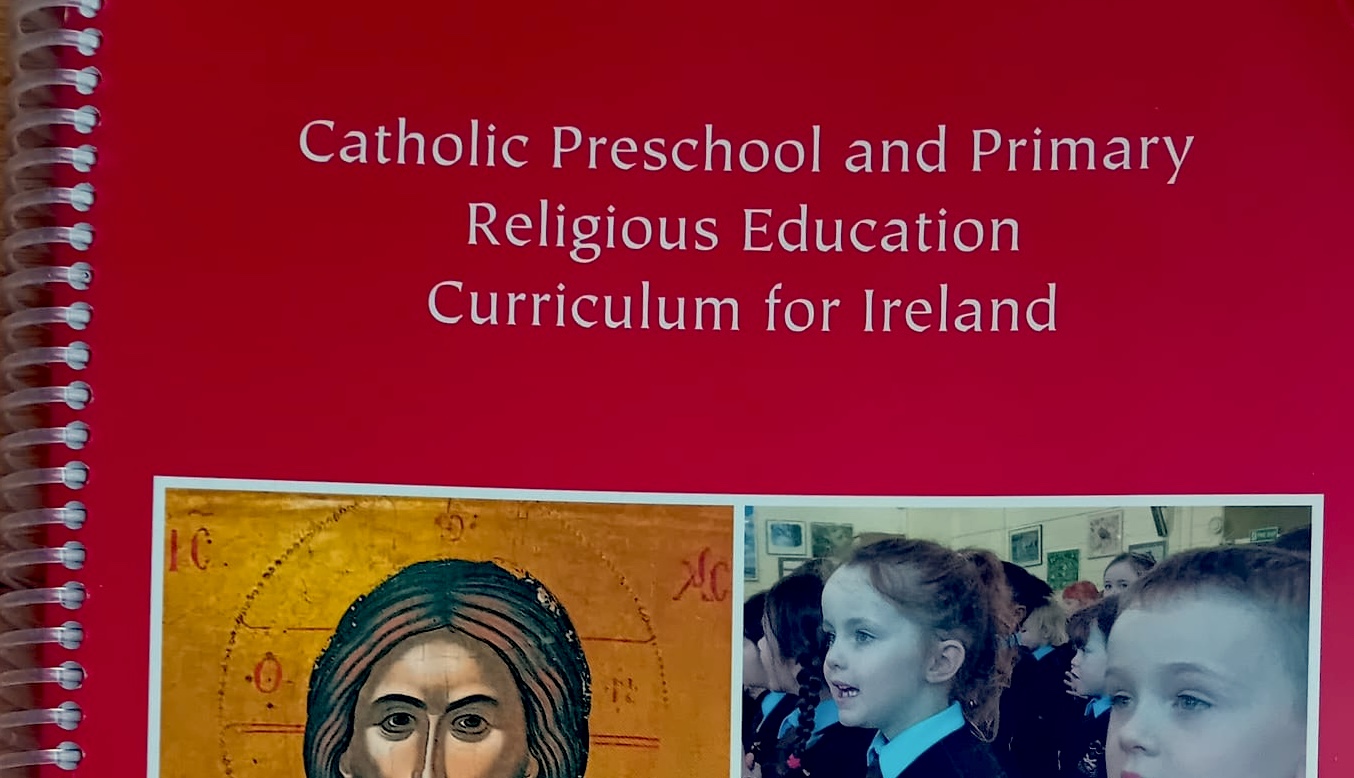
The Catholic religious education curriculum lays out how their ethos is to be integrated into every curriculum subject and the daily life of the school. They object to objective education. Their reason for this objection is that it would go against their mission to evangelise.
If Catholic schools really believe that they include minorities, then we look forward to them campaigning to remove the legal obligation on Boards of Management under the Education Act 1998 to uphold their ethos. We also look forward to them campaigning to remove Section 37 of the Employment Equality Act, and to stop integrating their ethos into curriculum subjects.
The issue is one of rights, our right to respect for our philosophical beliefs under the Constitution and human rights law. Catholic schools fail to respect the convictions of families from minority backgrounds.
How can you respect the religious or philosophical convictions of minorities while evangelising their children into a Catholic understanding of the world?
The Supreme Court has said that if we choose to send our children to these schools, then we can expect them to be influenced by the ethos of the school (Justice Barrington Campaign case 1998, Supreme Court). How can that be called inclusion?
The European court does not permit a distinction to be drawn betweel religous instruction and other subjects. It has also held that ‘respecting’ parents’ convictions means more than acknowledge or take into account.
The General Principle of the European court:
Article 2 of Protocol No. 1 does not permit a distinction to be drawn between religious instruction and other subjects. It enjoins the State to respect parents’ convictions, be they religious or philosophical, throughout the entire State education programme (see Kjeldsen, Busk Madsen and Pedersen, cited above, p. 25, §51). That duty is broad in its extent as it applies not only to the content of education and the manner of its provision but also to the performance of all the “functions” assumed by the State. The verb “respect” means more than “acknowledge” or “take into account”.
In addition to a primarily negative undertaking, it implies some positive obligation on the part of the State. The term “conviction”, taken on its own, is not synonymous with the words “opinions” and “ideas”. It denotes views that attain a certain level of cogency, seriousness, cohesion and importance (see Valsamis, cited above, pp. 2323-24, §§ 25 and 27, and Campbell and Cosans, cited above, pp. 16-17, §§ 36-37).
On the one had the Irish Supreme Court recognises that minorities will be influenced by the ethos of schools. On the other hand the European Court holds that respect means more than acknowledge or take into account. It is not just a negative right to not attend religion classes, but it also implies some positive obligation on behalf of the state.
What happens now is not ‘respect’. It is disrespect and discrimination to influence children from minority backgrounds into a Catholic understanding of the world while they access their right to education.